
 English
  Português
  Deutsch
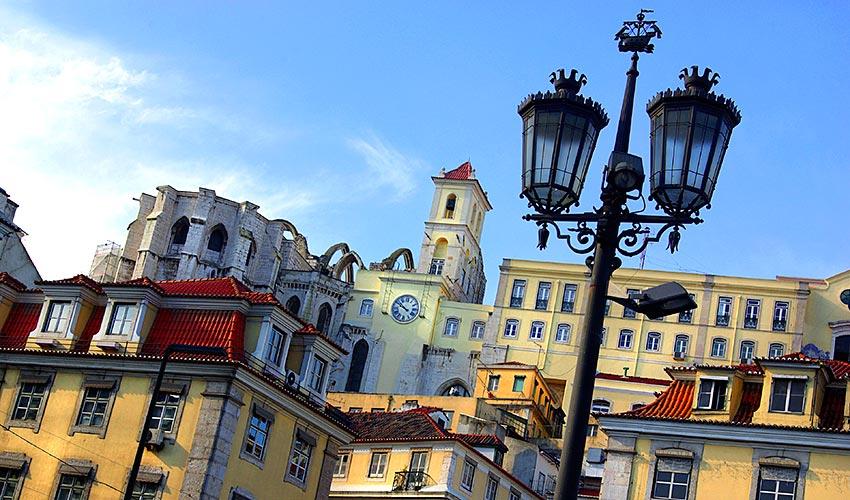
Romanesque and Gothic influences have given Portugal some of its greatest cathedrals, which are fantastic places to visit while on holiday. In the late 16th century a national style (estilo Manuelino) was synthesised by adapting several forms into an elaborate and flamboyant style of architecture.
Outstanding examples of Portuguese architecture include Mosteiro dos Jerónimos (Jerónimos Monastery) in Lisbon, in ornate Manueline style; Sé Catedral (Cathedral) in Lisbon, the facade of which partially exhibits remains of Romanesque construction; Mosteiro de Alcobaça (Alcobaça Monastery); Convento de Cristo (Convent of Christ) in Tomar; the late Portuguese Gothic abbey of Mosteiro da Batalha (Batalha Monastery); Torre dos Clérigos (Tower of the Clergy) in Porto and Sé Catedral de Braga – Braga's Romanesque cathedral.
Two contemporary architects have achieved worldwide fame for the originality, concept and functionality of their designs. Álvaro Siza Vieira is famous for Casa de Chá da Boa Nova in Leça da Palmeira and the Contemporary Art Museum in Porto – Museu de Serralves. Eduardo Souto Moura is mostly famous for his residential projects, though recently he designed the new Casa das Histórias Paula Rego, a museum dedicated to this renowned Portuguese painter.
Both Álvaro Siza Vieira and Eduardo Souto Moura have been awarded the Pritzker Architecture Prize by the Hyatt Foundation for their outstanding work in architecture, in 1992 and 2011, respectively.
