
 English
  Português
  Deutsch
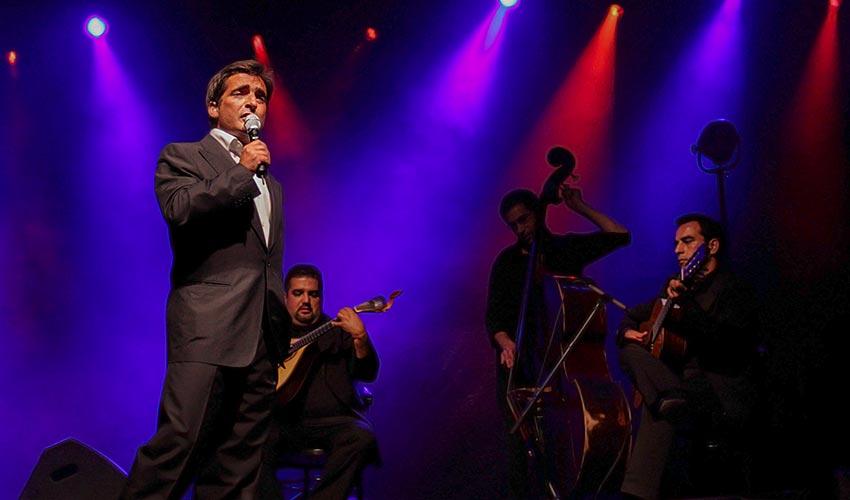
Fado is Portugal’s main traditional music and is a form of song which can encompass anything and everything but is mainly characterised by mournful and melancholy tunes and lyrics. In 2011, Fado was added to UNESCO’s Representative List of the Intangible Cultural Heritage of Humanity.
The word ‘Fado’ means fate in Portuguese, however given the sad nature of the music, a good way to describe the spirit of the song is ‘lament’. One thing is for sure, Fado is Portugal's pride and joy and the country's national musical treasure. However, folk music and dancing is Portugal’s fundamental form of musical expression.
When done properly, Fado is beautiful and touching, but when done poorly it can be pompous and self serving. It is a lyrical and sentimental music and appeared in the capital Lisbon in 1830. There are several different theories to its origin with some believing Fado to have roots in Moorish songs as well as African-Brazilian rhythms.
There are two versions of Fado; one from Alfama and Mouraria, districts of Lisbon, and the other from the central region of Portugal, Coimbra. The Lisbon Fado is more personal and full of feeling, and the Coimbra Fado is more academic and reflects ancient university traditions. It is sung by men during the night and in Serenatas and can often be heard in the city streets and squares.
The theme of any Fado is usually love, albeit unrequited, but there are fados written in other subjects. In Fado, the singer – the fadista – stands dressed in black in front of the audience and behind are the musicians. When the fadista sings a hush falls over the room and no food is served.
As you might expect the fadista gets all the glory. The most famous and widely regarded as the best fadista was Amália Rodrigues, who died in 1999 and is famous worldwide. Other historical names are Carlos do Carmo, Alfredo Marceneiro, Hermínia Silva, Rodrigo, Maria Alice and Tristão da Silva.
More recently Fado music has been popularised by contemporary artists including Mariza, a young and dynamic fadista that has moved the hearts of thousands of people around the globe, as well as other young and popular Fado singers, like Camané, Cristina Branco, Ana Moura and Carminho, just to name a few.
Portugal is proud of its music and it is best heard in the Fado houses.
To listen to fado in Lisbon, visit our What’s On in Lisbon guide.

