
 English
  Português
  Deutsch
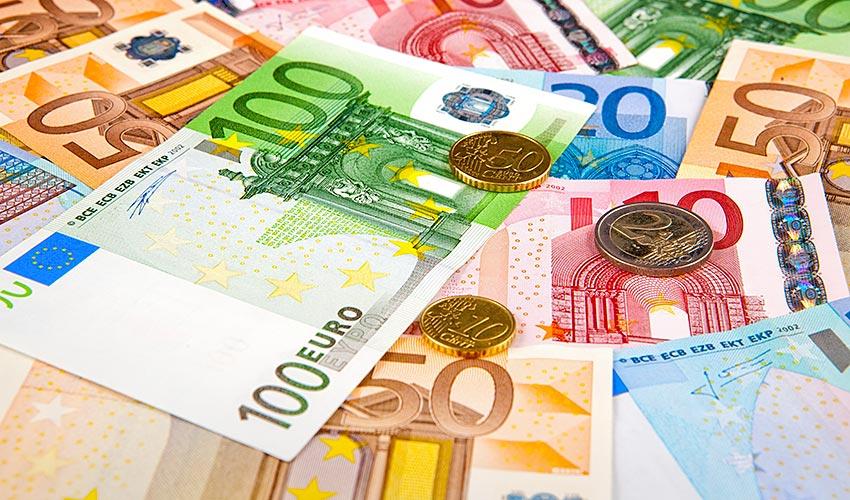
The currency in Portugal is the euro. Portugal shares the euro with 16 other countries in the European Union including Spain, France, Luxembourg, Belgium, Germany, Italy, Ireland, Estonia, the Netherlands, Finland, Austria, Greece, Cyprus, Malta, Slovakia and Slovenia.
Euro banknotes and coins were introduced in 2002. One side of the coin is the same, while the other has been designed by individual member states with symbols that represent each country’s origin and nationality. All euro currency is accepted in the countries that have adopted the euro.
Notes come in seven different denominations: 500, 200, 100, 50, 20, 10 and 5 euros. There are eight coins: 2 and 1 euros, and 50, 20, 10, 5, 2, 1 cents. Both bank notes and coins were designed to suit people with visual impairments.
Most visitors use local Multibanco (ATMs) to withdraw money. If you need to exchange currency, there are numerous bureau de change and many banks have automatic exchange machines.
Click here for Exchange rates or here
Click here for Currency Conversion
