
 English
  Português
  Deutsch
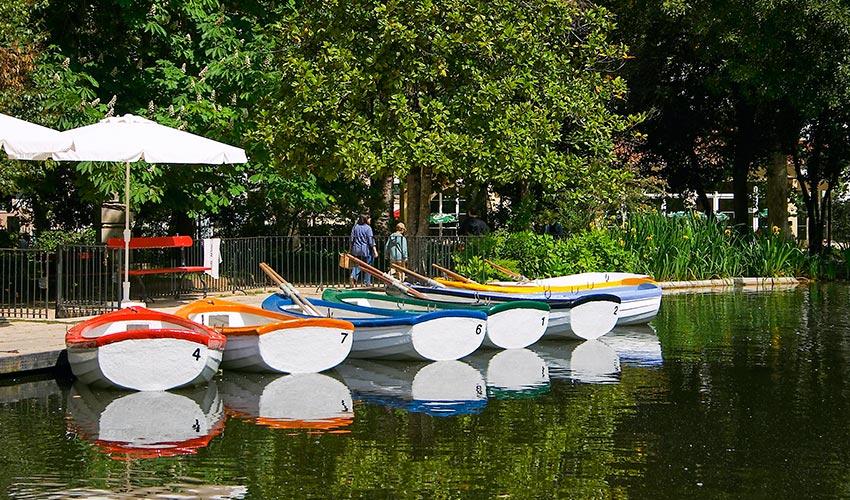
This bustling and vibrant market town in the District of Leiria on Portugal’s Silver Coast in the Estremadura region is fast becoming popular as a tourist destination and the ideal place to own a holiday home. Its location only 4.9 miles (8 kilometres) from some of the region’s finest beaches and its central position only an hour’s drive north of Lisbon make it the ideal place to be based in order to set out and explore some of the charming medieval towns and fishing villages in the environs.
This thermal spa town, with its sulphur rich waters famous for treating skin and bone ailments, and excellent shopping district, was founded at the end of the 15th Century by Queen Leonor, consort to King João II. Not only is it great for rural tourism and water sports, including ballooning, hand-gliding and paragliding, wind surfing, jet skiing and horse riding, it also boasts some first class golf hotel resorts nearby including the Praia d’el Rey Marriott Golf & Beach Resort and Westin Campo Real Golf Resort. Situated in what has justifiably been called the Garden of Portugal, the town has a lively and colourful fruit, vegetable, fish and flower market in the main square while the stunning and dramatic saltwater lakes at Praia Foz do Arelho and Salir do Porto combine with miles of clean, golden sandy beaches which are perfect for a family day out.
Places to See
Alcobaça
Alcobaça is an imposing Medieval town which makes for a fascinating day-trip. It holds the largest cathedral and monastery complex in Portugal and is best known for the romantic tale of D. Pedro and Inês – Portugal’s royal love affair similar to the tragic romance between Romeo and Juliet. The austere Santa Maria de Alcobaça Monastery was built in 1153 and is listed as a World Heritage Site. The Monastery is linked to the Cistercian monks and associated to the birth of the Portuguese nation. Portugal’s first King, Afonso Henriques, conquered the town of Santarém from the Moors in 1147 and in gratitude for the deliverance, founded this monastery for the Cistercian monks, which was finally completed in 1223. Today visitors may admire the Manueline-style ornate sacristy, King Dinis’ Cloisters and also see the tombs of King Pedro I and his murdered wife Inês de Castro which spawned Portugal’s most tragic legend and has been the topic of numerous books, plays and films.
Batalha
This amazingly intricate Dominican monastery and cathedral, with its countless carved figures of saints and soaring flying buttresses, is undoubtedly the best example of High Gothic architecture anywhere to be seen in Europe. A World Heritage Site, the monastery celebrates the victory of King João I over Castile at the Battle of Aljubarrota in 1385 and is particularly notable for its Manueline decorative motifs. Inside the chapel are the tombs of King João I and his English-born wife Queen Phillipa of Lancaster – called Lencastre in Portugal - who spawned the ‘Illustrious Generation’ including famous explorer Prince Henry the Navigator, while the Royal Cloister, with its intricate gothic arches, is one of the best of its kind in the Iberian peninsular.
Óbidos
Perhaps the most visited historic site outside of Lisbon in Portugal, this charming walled medieval fortress city with its narrow, winding cobbled streets, quaint white-washed cottages surrounded by colourful bougainvillae and geraniums is the perfect living, working museum town. The whole complex, which is surrounded by steep 14th century granite walls, formed part of the wedding present of King Dinis to his wife Isabel of Aragon in 1282. The town also contains a lovely boutique hotel or pousada dating from the middle ages and a museum which tells the story of how this hilltop fortress was taken from the Moors by Portugal’s first king Afonso Henriques in 1148.

